
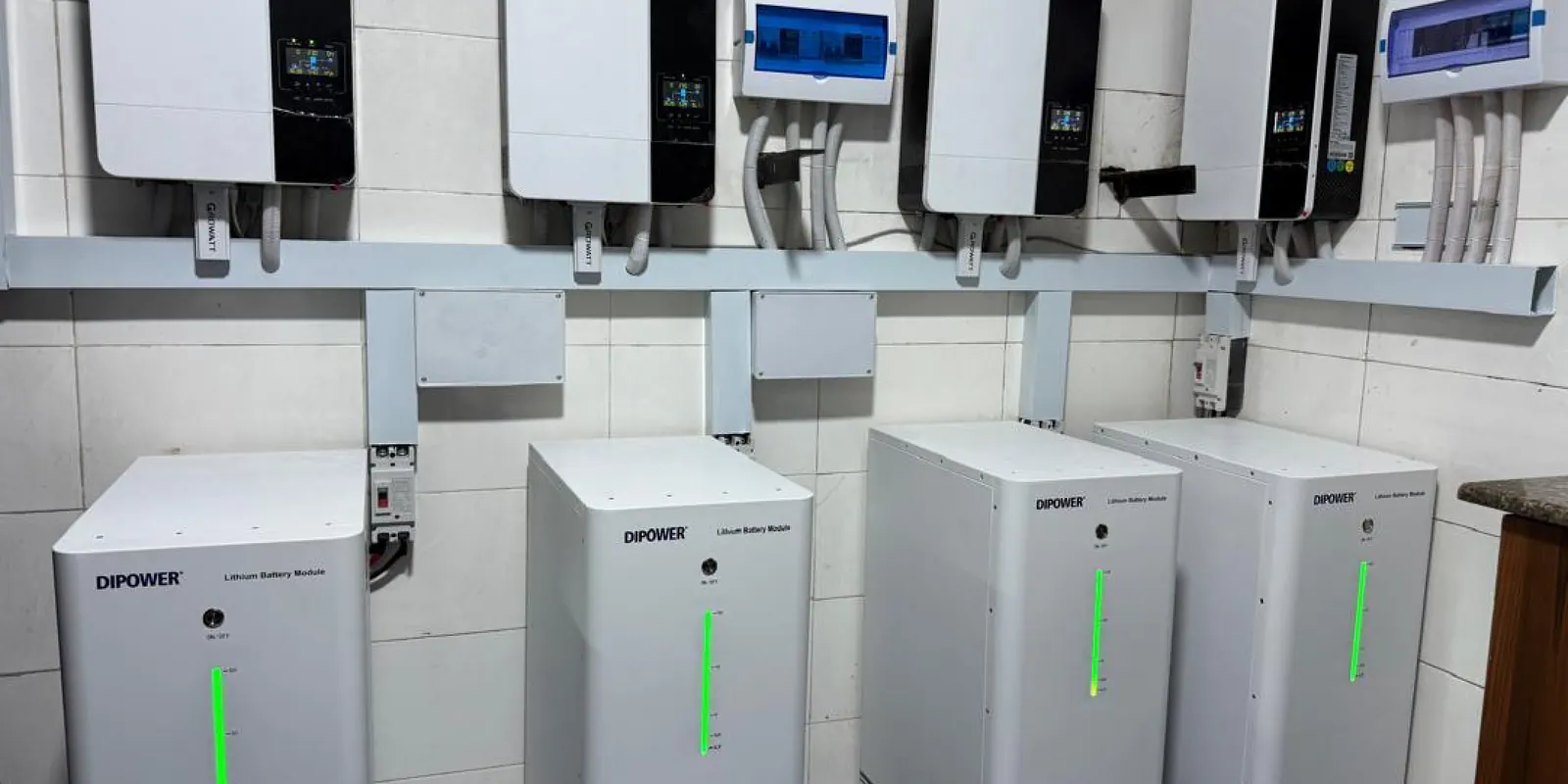
The difference between a 5kWh and 10kWh battery is meaningful only when you know what the energy must supply. A small essential-load circuit and an AC-backed home may need very different storage. Compare actual model limits and the intended backup interval before deciding whether the larger option is worth it.
Convert nominal capacity into a usable estimate
Using illustrative assumptions of 80% allowed discharge and 90% inverter efficiency, 5kWh nominal provides about 3.6kWh at AC loads before other losses; 10kWh gives about 7.2kWh. These are calculation examples, not manufacturer settings or a claim that all batteries permit the same discharge range.
Apply the load you actually plan to back up
At a constant 400W, the simplified examples give 3.6 ÷ 0.4 = 9 hours and 7.2 ÷ 0.4 = 18 hours respectively. At 1.2kW, the same examples become 3 and 6 hours. Real duty cycles, idle consumption, ageing, temperature and reserve requirements change the result. A claim of ‘all night’ needs a defined load and duration.
Check power delivery separately
A battery with sufficient kWh may still have a continuous or peak discharge limit below the demand from an inverter, pump or AC. Compare the documented current/power limits, supported BMS communication and required number of modules. The battery’s charging limit also affects how quickly a depleted bank can recover.
Doubling storage changes the charging plan
A larger battery is not extra generation. If the existing array and available grid charging cannot replenish the energy used, a bigger bank may simply remain at a lower state of charge. Review daily loads, charging windows and the agreed cloudy-day fallback alongside the storage purchase.
Expansion needs manufacturer approval
Do not combine old and new modules merely because their case labels show the same kWh. Compatibility can depend on model, voltage, firmware, condition and permitted parallel arrangements. Ask the supplier for the approved configuration and the warranty terms for that combination.