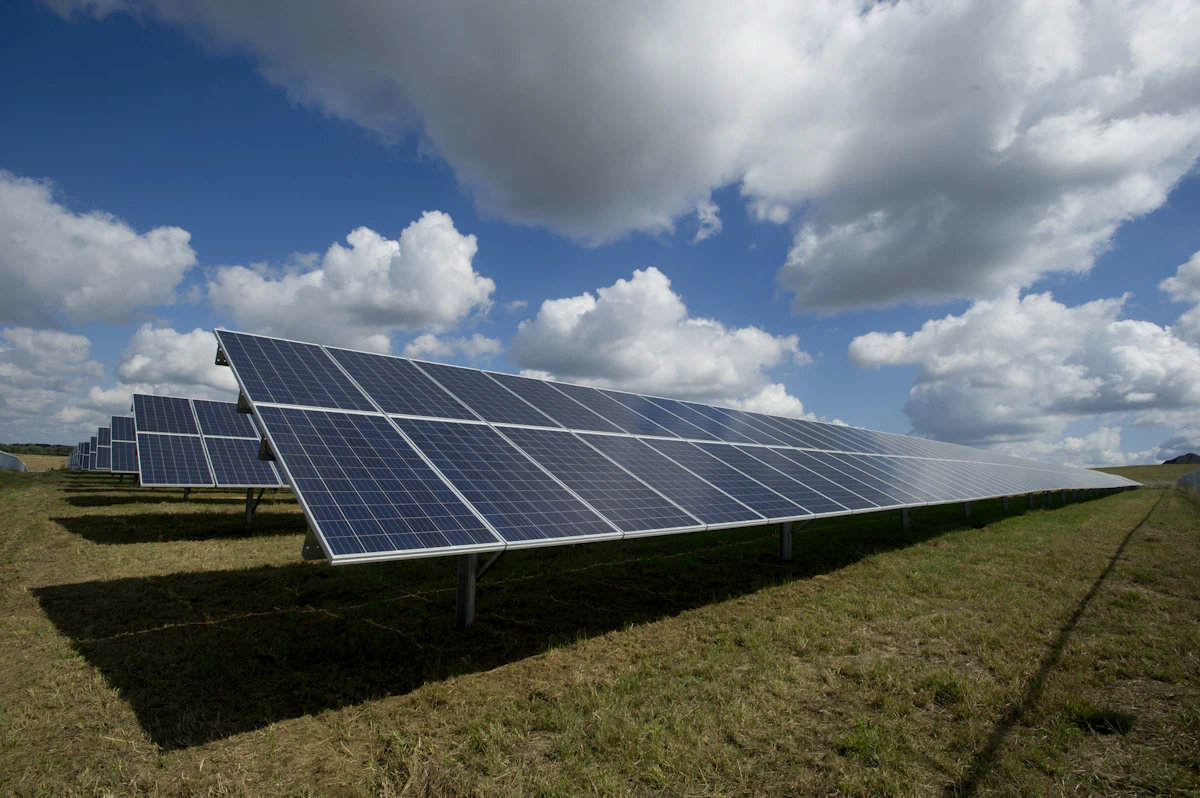
Nigeria runs on generators — but it doesn't have to. Fuel costs have become a monthly crisis for millions of households and businesses, and solar power has crossed the threshold where it is not just cleaner but straightforwardly cheaper over any five-year window. This guide walks you through every decision you will face: what type of system suits your situation, how to size it, roughly what it will cost in naira, and how to avoid the most common mistakes Nigerians make when going solar.
Step 1 — Understand the Three System Types
- Off-grid: completely independent of NEPA. Solar panels charge batteries; an inverter converts that power for your home. Best for areas with fewer than 4 hours of reliable grid per day.
- Hybrid: connects to both the solar array and the grid (or a generator). It prioritises solar, tops up from the grid when available, and falls back to batteries. The most popular choice for Lagos, Abuja, and Port Harcourt.
- Grid-tied: exports excess power to the utility. Rare in Nigeria today because EKEDC/AEDC metering infrastructure is still catching up, but growing in commercial installations.
Step 2 — Size Your System Honestly
Start with your daily load in kilowatt-hours (kWh). List every appliance, its wattage, and the hours per day you run it. A typical Nigerian middle-class home — two ACs (1.5 HP each), fridge, TV, lights, fans, and phone charging — consumes roughly 15–25 kWh per day. That points toward a 5–8 kW inverter and at least 10–16 kWh of battery storage to cover overnight loads. Businesses with heavy equipment, water pumps, or industrial cooling should size up significantly.
Step 3 — Choose the Right Components
- Inverter/charger: the brain of the system. Look for pure sine wave output, a charge controller rated for your panel array, and at least a 2-year warranty. Brands popular in Nigeria include Growatt, Itel, and Gennex.
- Battery bank: LiFePO4 is the long-term value pick despite higher upfront cost. A 16 kWh LiFePO4 bank stores enough for most homes to run overnight without the grid.
- Solar panels: monocrystalline N-type panels (like the Jinko 620W) perform better in Nigeria's heat and low-light harmattan conditions than older polycrystalline tech.
- All-in-one systems: combine inverter, battery, and sometimes BMS in a single cabinet — reducing installation complexity and the risk of mismatched components.
Step 4 — Budget Realistically
Costs vary widely by brand, battery chemistry, and installer margin. Roughly speaking (as of 2026), a basic 3 kW off-grid system starts around ₦1.5 million installed; a mid-range 5 kW hybrid system with LiFePO4 batteries runs ₦2.5–₦4.5 million; and a premium 10 kW+ commercial setup can exceed ₦8 million. These figures exclude structural roofwork. Always get at least three quotes and verify that the installer includes commissioning and a workmanship warranty.
Step 5 — Installation, Maintenance, and What to Expect
A residential installation typically takes one to three days. After commissioning, solar panels need only occasional cleaning — dust and harmattan haze reduce output by 10–20% if panels go unwashed for months. Inverters should be inspected annually. LiFePO4 batteries are largely maintenance-free. Most quality systems sold in Nigeria today come with remote monitoring via a mobile app so you can track daily production and battery state of charge.
Government Incentives and Import Duties
Nigeria's Finance Act and NERC policies have created a zero-duty regime on solar panels and a VAT exemption on renewable energy equipment as of 2026. These savings are supposed to be passed through to buyers — ask your supplier for the duty-free invoice. Some state governments (notably Lagos and Kaduna) have additional rebate schemes. See our dedicated post on government incentives for the latest details.
Explore Solar Systems & Related Guides
- All-In-One Solar Systems
- DYQUE Energy Cube 5kW 8kWh
- SVC RPS 11kW + 16kWh All-in-One
- Growatt SPF 5000 5kW Hybrid Inverter
- Solar vs Generator: 5-Year Cost Breakdown
- How Much Does a Solar System Cost in Nigeria?
- Hybrid vs Off-Grid vs Grid-Tied
- Choosing the Right Solar Inverter
- Solar Battery Buyer's Guide
- Solar Panel Buyer's Guide
- Government Solar Incentives 2026