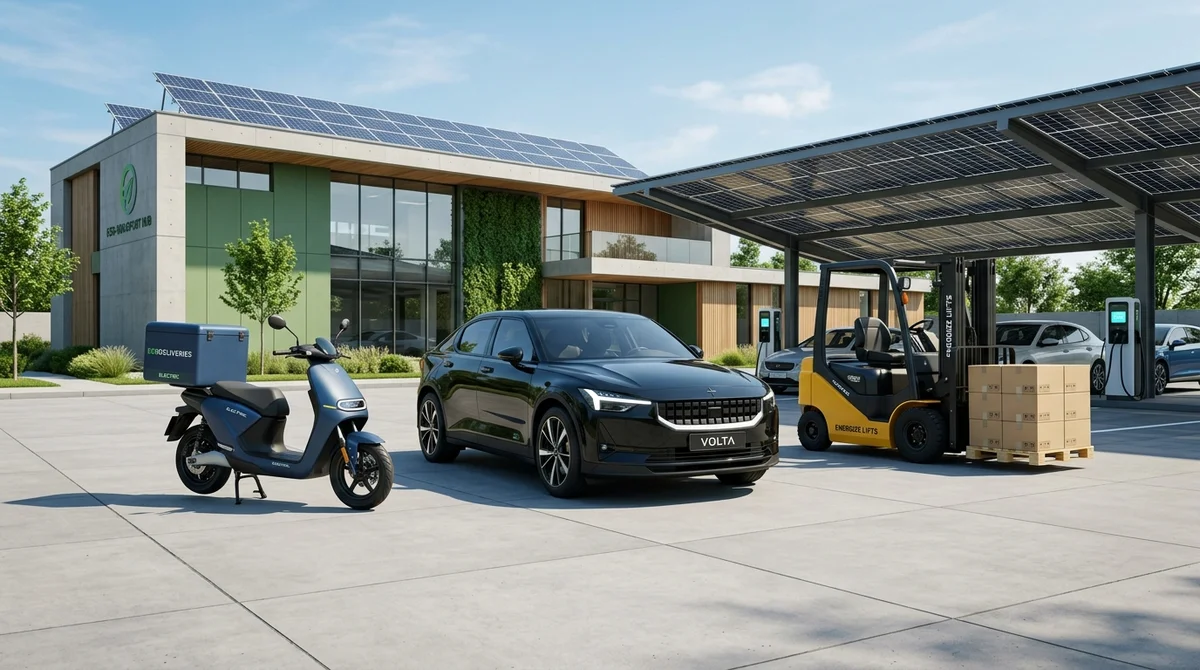
Across Nigeria, the compounding impact of fuel subsidy removal, unpredictable petrol prices, and steep industrial diesel costs has forced businesses and property owners to rethink transportation. Moving goods, staff, and materials with internal combustion engines has become one of the single largest recurring operating expenses. Electric mobility is no longer an experimental luxury—it is an immediate cost-cutting imperative.
Why pairing electric vehicles with solar changes the math
Charging an electric vehicle or commercial fleet directly from the national grid can be subject to erratic supply and peak-band utility tariffs, while running a diesel generator to charge an EV defeats the purpose entirely. The real financial breakthrough happens when electric mobility is coupled with a dedicated solar photovoltaic (PV) array and lithium battery storage. By capturing Nigeria’s abundant daylight hours, businesses generate clean electricity on-site, effectively locking in vehicle fuel costs at near-zero marginal expense for the 15- to 25-year lifespan of the solar hardware.
Electric motorbikes: Revolutionizing last-mile delivery
Couriers, e-commerce platforms, food vendors, and field service technicians in urban centres like Lagos, Abuja, Ibadan, and Port Harcourt run high daily mileages. Fueling a standard 125cc petrol motorbike now costs substantial amounts every month, plus frequent oil changes, carburetor servicing, and engine downtime. Commercial electric delivery bikes with swappable lithium battery packs offer a 70–80% reduction in per-kilometre operational costs. With a compact solar carport or depot charging station, fleet operators can recharge swappable batteries continuously throughout the day.
Electric forklifts: Clean, quiet warehouse efficiency
Industrial facilities and warehouses in Nigeria frequently suffer from indoor air pollution caused by diesel or LPG forklifts. Electric forklifts with high-capacity lithium iron phosphate (LiFePO4) power packs eliminate tailpipe emissions, cut noise to near silence, and deliver maximum torque instantly at zero RPM. Furthermore, with no engine oil, spark plugs, filters, or radiators to maintain, scheduled servicing overhead is dramatically reduced.
Core components of a Joshville solar EV charging setup
- High-efficiency bifacial solar arrays mounted on rooftops or custom solar canopy carports.
- Industrial-grade hybrid inverters with smart EV charger priority and load balancing.
- Modular LiFePO4 battery storage banks to enable overnight fleet charging without grid reliance.
- Certified Level 2 AC and rapid DC charging points equipped with multi-stage lightning and surge protection.
- Integrated telemetry and monitoring via the Joshville platform for tracking energy usage, charging cycles, and battery state of charge.
Powering electric vehicles with diesel generators simply moves the fuel bill from the pump to the tank. Sizing a dedicated solar array and battery reserve creates complete independence from fuel scarcity and price shocks.
Joshville turnkey deployment and ongoing support
Joshville works with commercial operators, logistics companies, residential estates, and individual homeowners to size and deploy complete electric mobility ecosystems. From vehicle specification and solar charging design to professional physical installation, warranty coverage, and preventative maintenance, our engineering team ensures your fleet stays fully powered and on the road.