Bifacial solar panels use active cells that can respond to light reaching both sides of the module. The front still produces most of the energy. The rear contributes when reflected and scattered light can reach it.
Where bifacial panels perform best
- Ground-mounted arrays raised above light-coloured gravel, concrete or reflective membranes.
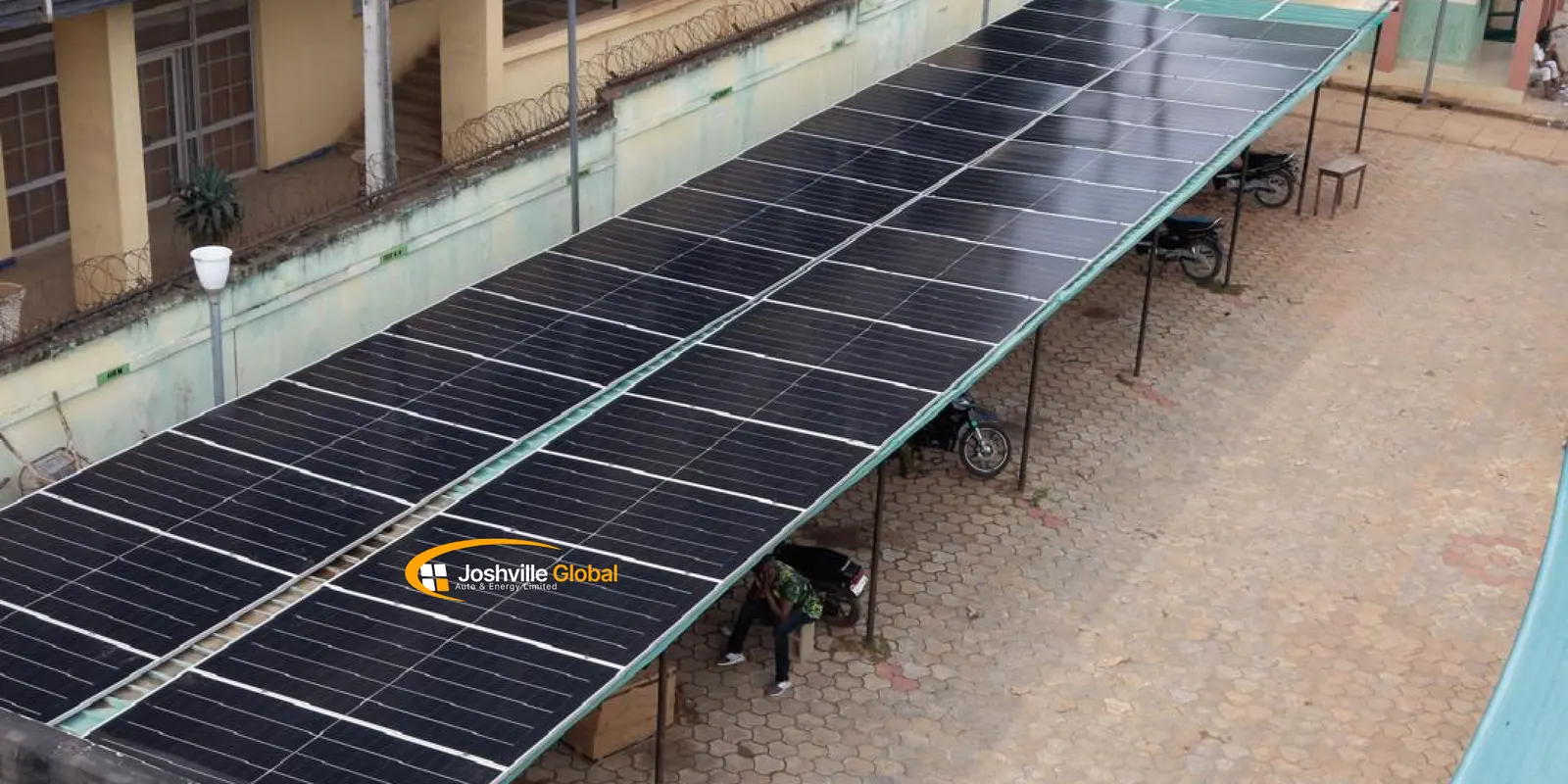
- Carports and canopies where the rear remains open to reflected light.
- Flat commercial roofs with suitable spacing and a bright roof surface.
- Installations designed to reduce self-shading between rows.
Where the extra gain may be small
On a dark pitched roof with the panel close to the surface, little light reaches the rear. Paying more for bifacial construction may not create a meaningful energy advantage unless the mounting arrangement is changed.
Do bifacial panels still work like normal panels?
Yes. Their front-side rating is tested like other modules, and they can be used even when rear gain is limited. The designer must still check voltage, current, dimensions, clamping zones, wind loading and inverter compatibility.
Bifacial is a system-design opportunity, not a guaranteed percentage printed on every roof.